Advanced Mechanical Ventilation Training for EMS Professionals
Presented by: FlightCrit and the Mechanical Ventilation Training Institute
Hosted by: Altus Fire-EMS Department
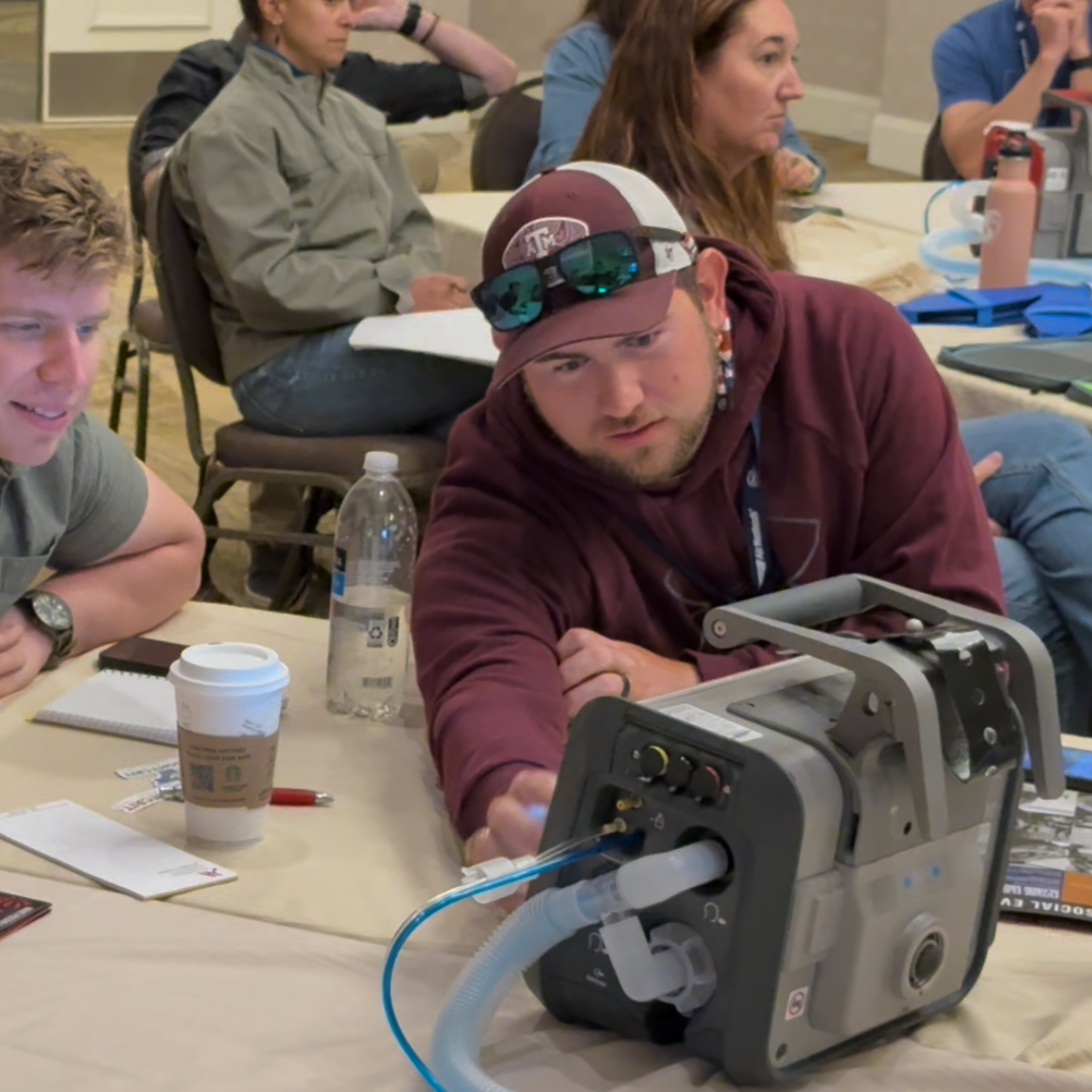
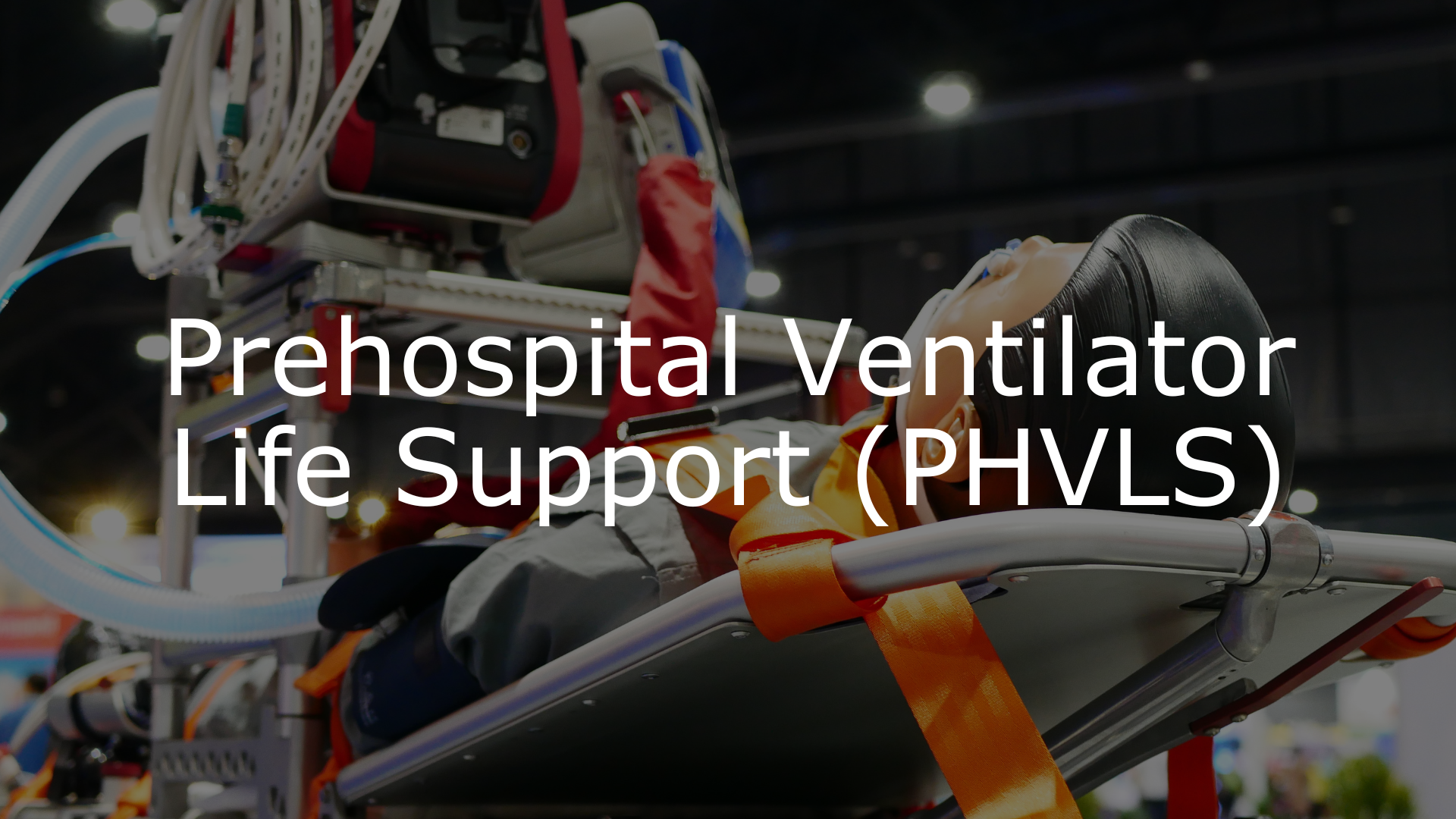
Master Mechanical Ventilation in the Prehospital Environment
Take your vent management skills to the next level with the Prehospital Ventilator Life Support (PHVLS) Workshop—a 2-day training experience designed for EMS.
This program combines online learning with scenario-driven hands-on training to help you build real-world competency in managing critically ill mechanically ventilated patients.
What’s Included
BVLS Fundamentals Course (8 hours online pre-course)
2 Days of Hands-On Training
16 hours of continuing education credits
Student Manual
Downloadable Certificate
3-year certification
What You’ll Learn
Ventilator setup and advanced management
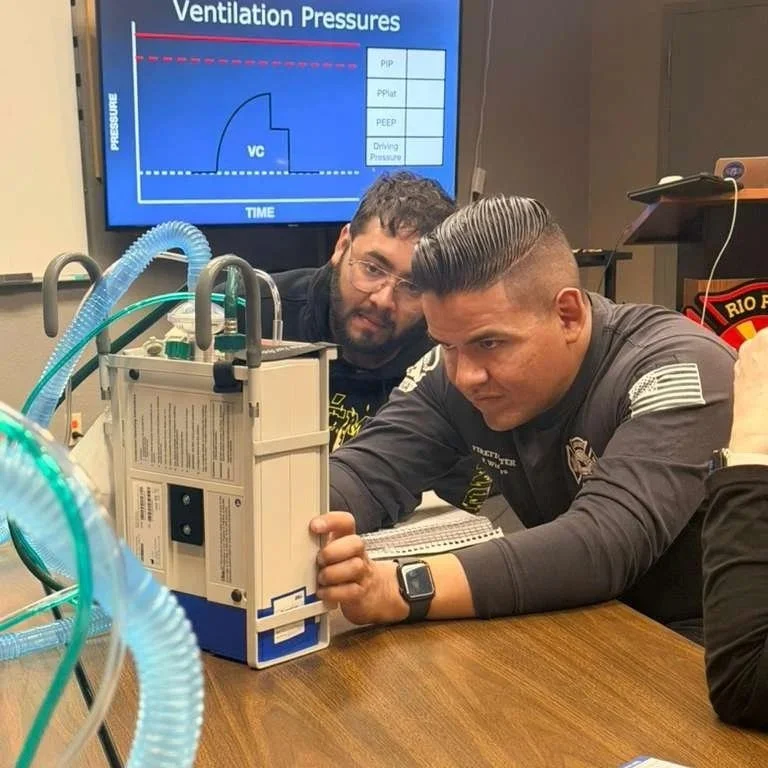
Waveform interpretation and troubleshooting
Managing ARDS, COPD, and complex respiratory failure
Preventing ventilator-induced harm in the field
and so much more.
Who Should Attend
EMS professionals managing ventilators in the prehospital environment
EMS Educators
EMS Medical Directors
Train Smarter… Train Harder…
Prehospital Ventilator Life Support (PHVLS) Workshop
2-Day Workshop
The Prehospital Ventilator Life Support (PHVLS) Workshop is a focused, hands-on training experience designed to strengthen the knowledge, clinical reasoning, and practical ventilator management skills of EMS clinicians caring for mechanically ventilated patients in the prehospital and transport environment.
This 2-day, 16-hour workshop is built for the realities of EMS: limited resources, dynamic patient conditions, time-sensitive decision-making, and high-risk, low-frequency clinical events.
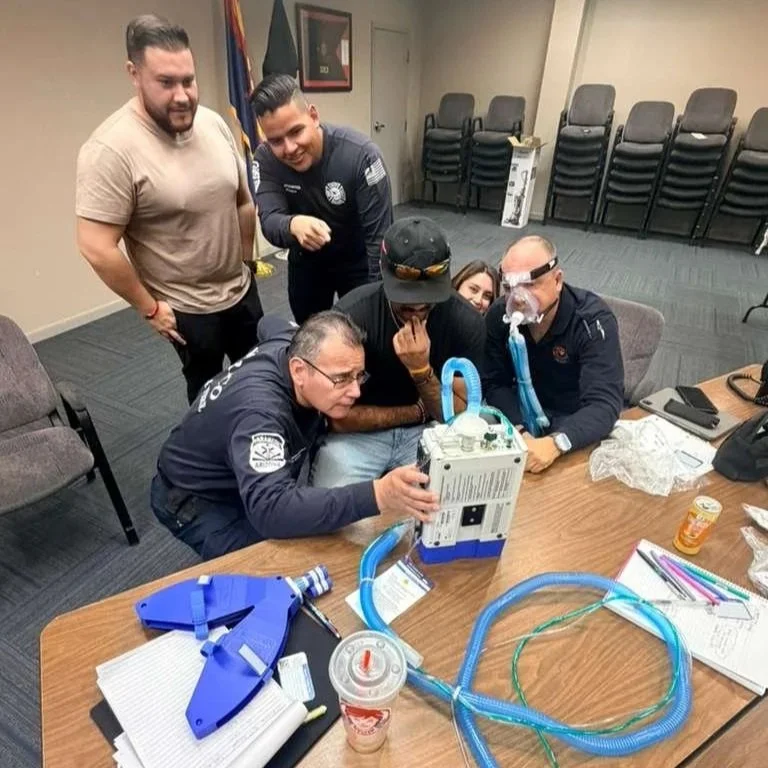
Through interactive discussion, case-based learning, and scenario-driven practice, participants will develop a more confident and systematic approach to managing mechanically ventilated patients before they reach definitive care.
Program Overview
Mechanical ventilation is no longer confined to the ICU. EMS clinicians are increasingly expected to initiate, manage, troubleshoot, and optimize ventilator support in the out-of-hospital environment.
This workshop bridges the gap between theory and real-world application by focusing on the decisions EMS clinicians must make when managing critically ill patients on mechanical ventilation. Participants will review essential concepts in ventilator management and immediately apply those concepts through practical exercises and realistic clinical scenarios.
What Makes This Course Different
Unlike traditional lecture-based mechanical ventilation education, PHVLS emphasizes active learning, clinical reasoning, and hands-on application. The workshop is designed to help participants move beyond memorizing ventilator settings and toward understanding how ventilator decisions affect oxygenation, ventilation, hemodynamics, patient comfort, and patient safety.
The course emphasizes:
Deliberate practice with faculty-guided feedback
Scenario-based learning focused on real prehospital and transport challenges
Integration of assessment, ventilator management, waveform interpretation, and troubleshooting
Recognition and management of high-risk ventilation problems
Practical decision-making in resource-limited and time-sensitive environments
Educational Philosophy
PHVLS is grounded in the belief that safe mechanical ventilation requires more than technical familiarity with a ventilator. It requires clinical judgment, physiologic understanding, structured troubleshooting, and repeated practice.
This workshop is designed to help EMS clinicians connect ventilator settings to patient physiology, recognize early signs of deterioration, and make safer decisions in complex prehospital and transport environments.